 Beauty Device Manufacturer | Beauty Device Supplier - Ace-tec
Portable Hair Straightener Brushes: Why Some Work Better Than Others
Many consumers have discovered that portable hair straighteners are convenient, but not all deliver real straightening results. Even sellers often receive customer feedback like:
“It doesn’t straighten well.”
“It just feels like a warm brush.”
This raises an important question: Why do some portable hair straighteners work well while others struggle to create visible results?
Why do some portable hair straighteners work well while others struggle to create visible results?
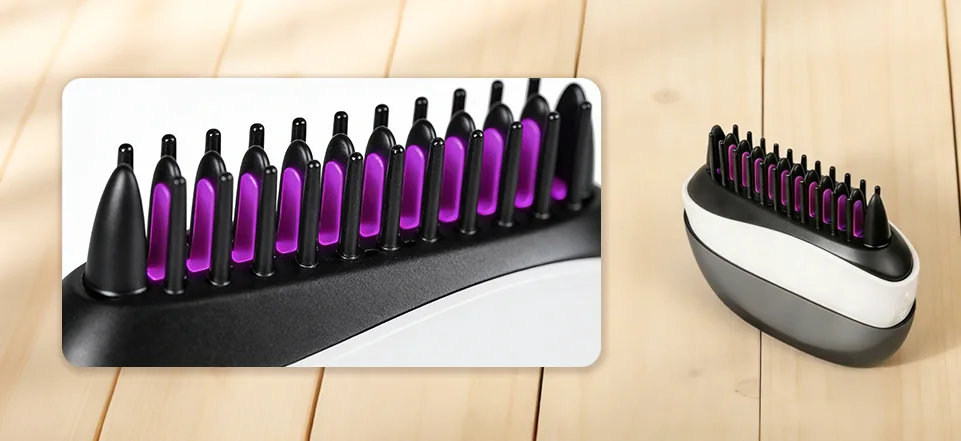
The answer usually lies in product design, heating technology, and temperature control. Understanding these factors is key for both users seeking smooth hair and brands aiming to sell effective products.
Why Some Hair Straightener Brushes Don’t Deliver Good Results
Even though portable straightener brushes are designed for convenience, many fail to straighten hair effectively. Here are three common issues:
1. Temperature Too Low
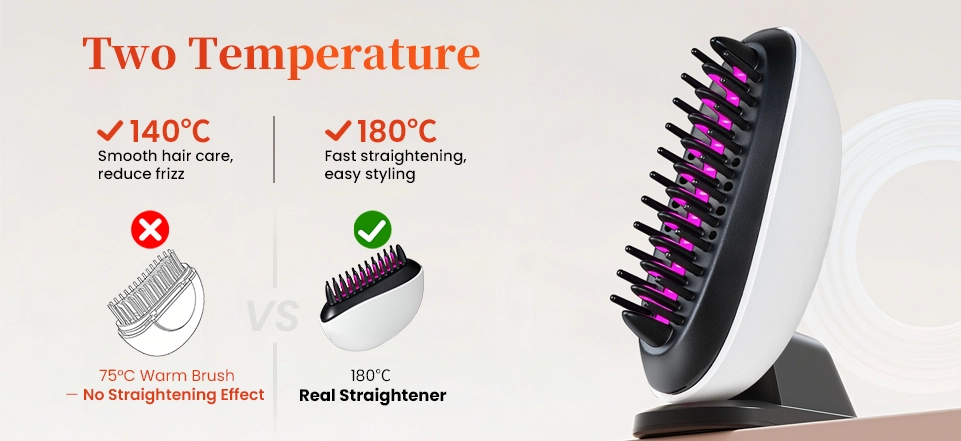
Many low-cost portable hair straighteners only reach 40°C ~75°C, which is far from sufficient for hair straightening. Effective straightening typically requires higher and stable heat levels, with 140°C ~ 180°C being ideal for visible results.
2. Uneven Heat Distribution
Some portable hair straightener products have small heating elements that concentrate heat in just one area. As a result:
- Hair passes through quickly
- Heat transfer is insufficient
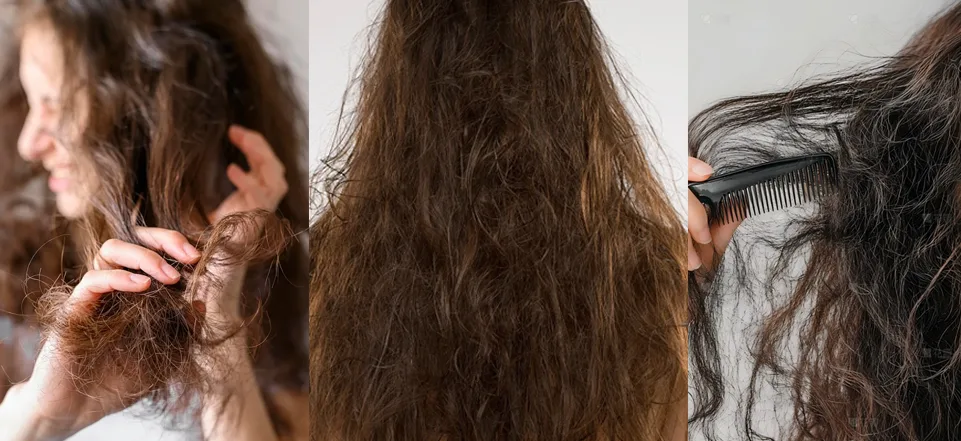
The outcome? No visible straightening effect, leaving hair only slightly warm but still wavy or frizzy.
3. Poor Comb Structure
Many users overlook the design of the brush teeth, which directly affects hair tension and heat contact.
If the teeth are:
- Too wide
- Too soft
- No heat-resistant
…then the hair cannot maintain enough contact with heat, resulting in poor straightening performance.
Key Design Factors That Make a Portable Hair Straightener Effective
When a hair straightener is designed well, it delivers reliable results. Here are the main factors:
1. Stable Temperature Control
Portable brushes often have two temperature settings:
- 140°C – suitable for daily smoothing
- 180°C – effective straightening
2. Heating Technology
Modern brushes use technologies like:
- Ceramic heating
- PTC heating
Benefits include:
- Fast heat-up
- Stable, consistent temperature
These features allow the brush to straighten hair quickly without repeated passes.
Brush Engineering
A well-engineered brush:
- Maintains hair tension
- Increases heat contact
This design makes straightening easier, faster, and more effective, even for thick or wavy hair.
Why Many Low-Cost Hair Straighteners Struggle
Price often reflects performance. Low-cost products typically cut corners by using:
- Smaller heating components
- Weak temperature control chips
- Low-grade materials
The result: slow heating, unstable temperature, and inconsistent performance.
In many cases, the difference in performance comes from engineering, not appearance.
What Beauty Brands Should Look for in a Portable Hair Straightener
For Amazon sellers, ecommerce brands, and beauty brands, selecting the right product is crucial. Key considerations include:
- Real Performance – Focus on results, not just design or packaging.
- Temperature Stability – High and consistent heat is essential.
- Manufacturing Capability – Experienced manufacturers deliver reliable, long-term quality.
Choosing the right partner ensures the product consistently meets customer expectations.
Conclusion
Portable hair straighteners can be highly effective, but only when designed properly.
For beauty brands and sellers, understanding these differences can help them choose products that truly satisfy customers, build trust, and reduce negative feedback.
HelloPlease log in